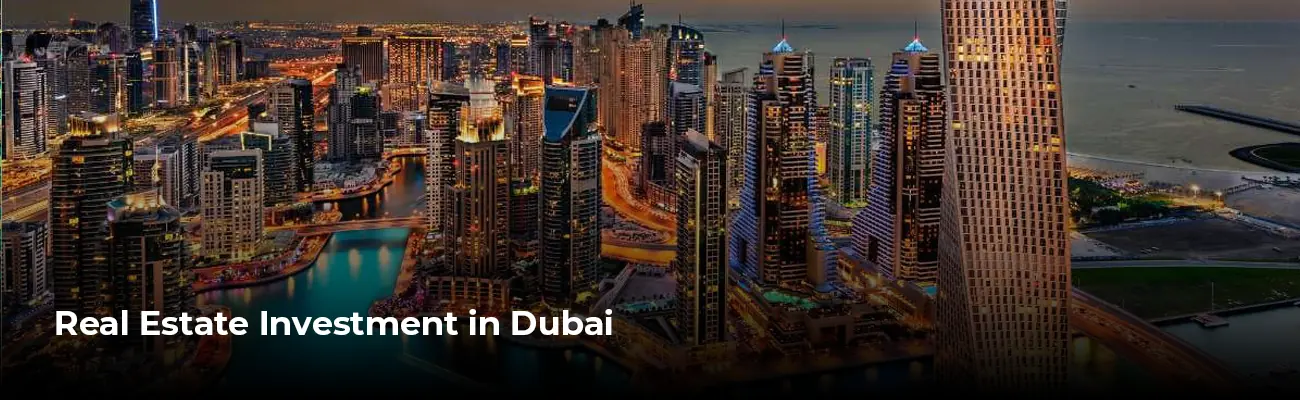
Why Dutch investors should consider Dubai
Real Estate Investment in Dubai: For Dutch investors seeking diversification and strong returns, real estate investment in Dubai offers an attractive proposition. Compared with the Dutch market—where property prices are high and yield margins are tightening—Dubai presents more favourable regulatory and tax frameworks. For example, in Dubai there is no income tax or capital gains tax on many property transactions, whereas in the Netherlands these can reach far higher levels.
Additionally, with Dubai’s strategic infrastructure development, rising expatriate population, and growing tourism, there is strong demand for quality housing and rental properties. For Dutch investors comfortable with an international investment horizon, this market is especially compelling.
Before diving into location-selection, Dutch investors should keep several items front of mind:
By aligning with these pointers, Dutch investors can position themselves for success with real estate investment in Dubai. Below are some of the top areas for 2025.
Here are some of the most compelling neighbourhoods for Dutch investors looking at Dubai real estate in 2025.
Located in the heart of Dubai, Business Bay offers a mix of commercial and residential towers, strong infrastructure, and proximity to major hubs like the Dubai International Financial Centre and the Dubai Mall area. According to Dutch-market commentary, this zone offers rental yields around 6.2% and a strong urban-lifestyle appeal.
For a Dutch investor seeking both rental income and capital growth, Business Bay represents a balanced choice: you get access to premium apartment stock, good connectivity (metro, roads), and demand from both residents and professionals.
For those targeting premium and iconic addresses, Downtown Dubai is hard to beat. Home to the Burj Khalifa and walking distance to Dubai Mall, properties here carry prestige and command higher rents and resale values. Returns might be slightly lower than more peripheral zones, but the potential for appreciation and the tourism-rental opportunity is high. Dutch investors who want a trophy asset or to tap into high-end short-term rentals will find this area attractive.
For luxury-focused investors, the man-made island of Palm Jumeirah stands out. Villas and high-end apartments on the Palm offer lifestyle appeal, beach access and high desirability. Dutch buyers who want not just investment returns but also perhaps a holiday home element or long-term place to stay can consider this zone. Rental yields may be lower because entry cost is higher, but capital appreciation and demand for holiday-style stays bolster the case.
While the “headline” zones above get most of the attention, Dutch investors can also examine emerging areas where the entry price is lower but upside exists. Examples include “studio” properties in developing projects, new free-holds outside the traditional core. The key is to identify developers with strong reputations, flexible payment plans, and attractive yield potential. Often these provide yields in the 5-7% range with lower capital outlay.
For a Dutch investor planning a real estate investment in Dubai, the practical steps might be:
The fact that Dubai offers visa incentives tied to property ownership (for eligible thresholds) further sweetens the appeal for Dutch investors.
Every investment has risks. For Dutch investors in Dubai real estate, these include:
For Dutch investors, the real estate investment in Dubai market is especially timely in 2025 for a few reasons:
1. Can Dutch citizens buy property in Dubai?
Yes. Dutch citizens can legally purchase freehold property in many designated areas in Dubai. You do not need to be a UAE resident to purchase real estate. The property ownership rights are secure and governed by the Dubai Land Department (DLD).
2. What kind of returns can I expect from real estate investment in Dubai?
Rental yields in Dubai are generally higher than in many European cities. For example, areas like Business Bay and Dubai Marina often provide 5% to 8% gross rental yield, depending on property type and demand. Luxury areas such as Palm Jumeirah may offer lower rental yields but strong potential for long-term capital appreciation.
3. Are there taxes on property income or capital gains in Dubai?
Dubai currently does not charge income tax or capital gains tax on property investments. However, investors should check Dutch tax regulations, as the Netherlands may still require declaration of foreign property or rental income. real estate investment in DubaiConsulting a tax adviser familiar with UAE-Netherlands treaties is recommended.
4. Can I obtain a UAE residency visa through property investment?
Yes. If you purchase property above a specified value threshold (commonly AED 750,000 to AED 2 million, real estate investment in Dubaidepending on visa type), you may qualify for a long-term residence visa. The visa benefits include staying in the UAE long-term and conducting business activities legally.
5. How can I pay for property in Dubai as a Dutch investor?
You can pay via international bank transfer or through UAE-based bank financing (if eligible). Some developers also offer flexible payment plans for off-plan projects. Currency fluctuation (EUR/AED) should be considered in your cost planning.
6. Do Dutch investors need a local sponsor to buy property?
No. Property ownership in designated freehold zones is 100% independent and does not require a local sponsor or UAE partnership.
7. What is the process to buy real estate in Dubai?
The steps typically include:
Choosing a property and negotiating price
Signing a Memorandum of Understanding (MOU)
Paying a deposit (usually 5%–10%)
Transferring funds for purchase
Registering ownership with Dubai Land Department (DLD)
For Dutch investors seeking stable returns and global diversification, real estate investment in Dubai stands out as a strong opportunity in 2025. The market offers a combination that is increasingly rare in Europe: attractive rental yields, tax-friendly policies, modern infrastructure, and a high-growth economic environment. Dubai continues to expand its residential, commercial, and tourism sectors, which drives consistent demand for quality properties.
Choosing the right area is essential. Whether you prefer the strong rental demand of Business Bay, the prestige of Downtown Dubai, or the luxury lifestyle of Palm Jumeirah, each location serves different investment goals. The key is to align your property choice with your long-term objectives: rental income, capital appreciation, or lifestyle value.
real estate investment in Dubai, Dubai property market 2025, Dubai real estate for Dutch investors, investing in Dubai from Netherlands, Dubai property investment guide, Dubai freehold properties, UAE real estate opportunities, Business Bay investment, Palm Jumeirah villas, Downtown Dubai apartments, rental yield Dubai, Dubai residency visa through property

Dubai Consultant © All Rights Reserved | Powered by InvesQ
